
Main Courses
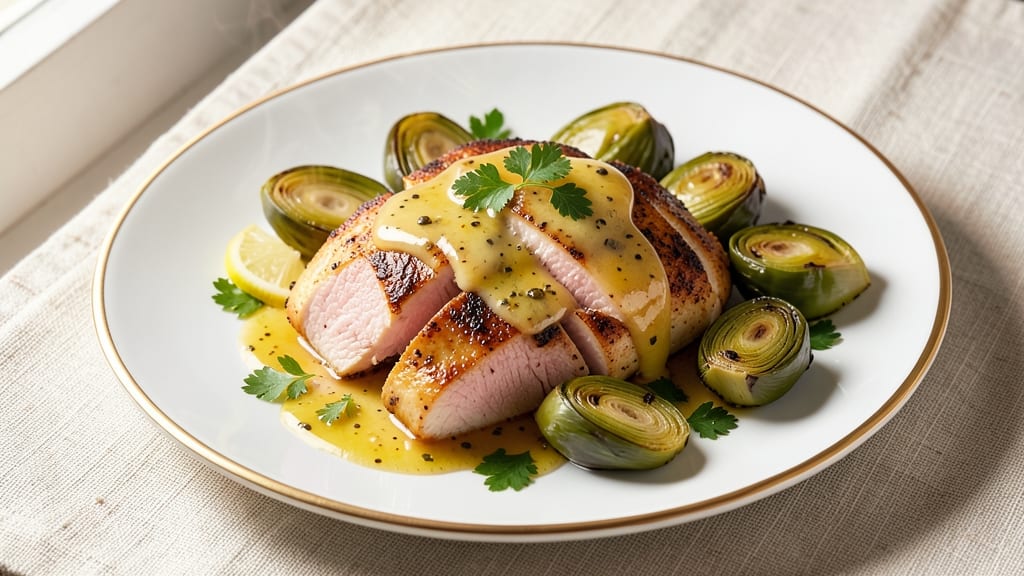
This chicken piccata with artichoke hearts delivers restaurant-quality results with crispy golden chicken, tangy lemon-caper sauce, and briny artichoke hearts in every bite. The secret lies in brining the chicken for tenderness and searing it just until the edges turn golden—never letting it overcook.
I developed this recipe after years of perfecting the balance between crispy chicken and a sauce that’s bright yet rich enough to coat every piece.
The artichoke hearts add a satisfying texture contrast, their slight bitterness cutting through the richness of the chicken and sauce. Deglazing the pan with white wine and lemon juice creates a velvety sauce that’s effortless to make but packed with flavor.
This dish comes together in under 30 minutes, making it ideal for weeknight dinners when you crave something elegant without the fuss.
What you’ll end up with is a plate that’s visually stunning—golden chicken, glossy sauce pooling around artichoke hearts, and a final touch of fresh parsley. The sauce clings perfectly to the chicken, delivering that signature tangy, briny, and citrusy flavor profile that defines piccata.
It’s the kind of meal that feels special enough for company but simple enough for a Tuesday night.
Serve with crusty bread to soak up every last drop of that lemon-caper sauce, or pair it with a simple arugula salad for a complete, well-rounded dish. The artichoke hearts add a touch of sophistication, while the chicken stays crispy and tender—exactly as it should be. Let’s get cooking!
Ingredients for chicken piccata with artichoke hearts
Crispy chicken meets bright lemon-caper sauce with briny artichokes—just 14 ingredients for restaurant-style flavor.
| Ingredient | Amount | Notes |
|---|---|---|
| Boneless, Skinless Chicken Breasts 🍗 | 1 ½ lb | Pounded to even thickness |
| All-Purpose Flour 🌾 | ½ cup | For dredging chicken |
| Unsalted Butter 🧈 | ½ cup | Cold, cubed for searing |
| White Wine 🍷 | ½ cup | Dry variety, like Sauvignon Blanc |
| Fresh Lemon Juice 🍋 | ¼ cup | From 2 medium lemons |
| Capers 🍃 | ¼ cup | Rinsed and drained |
| Marinated Artichoke Hearts 🍃 | 1 cup | Drained and patted dry |
| Fresh Flat-Leaf Parsley 🌿 | ¼ cup | Chopped for garnish |
| Garlic Cloves 🧄 | 4 cloves | Minced for sauce |
| Salt 🧂 | 1 tbsp | For brining chicken |
| Ground Black Pepper 🌶️ | ½ tsp | Freshly cracked |
| Vegetable Oil 🫒 | 2 tbsp | For frying pan |
| Heavy Cream 🥛 | ¼ cup | Full-fat for richness |
| Dry Brandy 🍷 | 1 tbsp | Optional for depth |
The chicken is non-negotiable here. Look for plump, uniform breasts—none of that bony stuff. I grab mine from Whole Foods or the butcher counter at Trader Joe's because they keep them freshest. Pounding the breasts to even thickness ensures they cook perfectly, not some overdone middle. The artichoke hearts? Marinated kind from the canned aisle—they’re pre-cooked and ready to go. Just drain them well and pat dry so they don’t steam in the pan. The parsley should be bright green, not wilted, and the capers? Rinse them first—they’re packed in brine and can be salty.
No white wine? Substitute chicken broth with a splash of lemon juice—it’ll still work, though the sauce won’t have the same depth. Fresh lemon juice is a must, but if you’re in a pinch, bottled works (just add a pinch of sugar to balance). For the butter, don’t use margarine—it burns easily. The heavy cream adds richness, but if you’re avoiding dairy, half-and-half works in a pinch. The brandy is optional, but if you skip it, add an extra splash of lemon juice for brightness. And for the love of piccata, don’t skip the capers—they’re what give the sauce that signature briny kick.
This dish reheats beautifully—just warm the sauce separately and toss it with the chicken. The sauce keeps for 3 days in the fridge, though it’s best used fresh. Store the chicken and sauce separately to keep the chicken crispy. For artichoke hearts, keep them in their juice until ready to use—it preserves their texture. If you’re prepping ahead, cook the chicken and sauce the day before, then reheat gently before serving. The flavors actually improve overnight as everything melds together.
Why You'll Love This Recipe
- No-Fuss Pantry Staples: I swear by this recipe because it uses things I always have: flour, butter, wine from last month’s grocery run, and lemons I buy in bulk. No specialty ingredients, no last-minute store trips—just open the jar of artichoke hearts and go.
- Zesty Brightness Every Bite: That lemon-wine butter sauce? It’s the star. The chicken stays juicy while the sauce clings like a hug, and the artichokes add a briny crunch that cuts through the richness. Honestly, the first time I tasted it, I canceled my dinner plans.
- Weeknight to Weekend Hero: Throw it together for a rushed Tuesday night, then serve it at your next dinner party—no one will know it’s the same dish. The artichokes make it feel fancy, but the prep is so simple my college-aged roommate could handle it. (Yes, even on a Tuesday night.)
- Leftovers That Don’t Suck: Most piccata recipes turn into sad, dry chicken the next day, but this one? The sauce stays bright, and the artichokes hold their shape. I double the batch on Sundays, reheat portions for lunch, and still crave the original. My secret weapon for lazy afternoons.
Step-by-step instructions for chicken piccata with artichoke hearts
Here's how to achieve that signature crispy texture and bright, tangy sauce every time.
Pound and Season the Chicken
Place the 1.5 lb boneless, skinless chicken breasts between two sheets of plastic wrap. Using a meat mallet, pound them to an even ½-inch thickness throughout. This ensures even cooking and that perfect crispy crust. I like to press firmly but evenly—no need to go crazy, just until the thickness is consistent.
In a shallow dish, combine the 0.5 cup all-purpose flour with the 1 tablespoon salt and 0.5 teaspoon ground black pepper. Lightly dredge each chicken breast in this seasoned flour mixture, shaking off any excess. The flour creates that golden crust while keeping the chicken tender inside. Let the floured chicken rest for 5 minutes while you prepare the pan.
Sear the Chicken Until Golden Brown
Heat the 2 tablespoons vegetable oil in a large skillet over medium-high heat until shimmering. Add the cubed 0.5 cup unsalted butter and let it foam and bubble for about 1 minute. This butter will create that rich, golden sauce later.
Carefully place the floured chicken breasts in the skillet, working in batches if needed to avoid overcrowding. Cook for 3-4 minutes per side until the chicken is golden brown and crispy, and the internal temperature reaches 165°F. You'll know it's ready when it releases easily from the pan—don't rush this step. Transfer the cooked chicken to a warm plate and tent loosely with foil to keep warm.
Build the Lemon-Caper Sauce
Reduce the heat to medium and add the 4 minced garlic cloves to the skillet, cooking for 30 seconds until fragrant. Pour in the 0.5 cup white wine and scrape up any browned bits from the bottom of the pan—this is where all the flavor lives. Let the wine simmer for 2-3 minutes until reduced by half.
Add the 0.25 cup fresh lemon juice and the 0.25 cup capers, stirring to combine. The sauce should start to thicken slightly as it reduces. If you're using the 1 tablespoon dry brandy, add it now and let it cook off for 1 minute. The alcohol will burn off, leaving behind a deeper flavor.
Finish with Cream and Artichokes
Stir in the 0.25 cup heavy cream and the 1 cup drained, patted-dry marinated artichoke hearts. Simmer for 2-3 minutes until the sauce is smooth and slightly thickened. If the sauce is too thick, add 1-2 tablespoons of water to reach your desired consistency. Taste and adjust seasoning with additional salt or pepper if needed.
Return the chicken to the skillet, spooning the sauce over the top. Let it all heat through for 1-2 minutes so the chicken absorbs the flavors. The artichoke hearts will add a delightful texture contrast to the creamy sauce.
Garnish and Serve Immediately
Transfer the chicken and sauce to serving plates. Garnish with the 0.25 cup chopped fresh flat-leaf parsley and serve immediately. The chicken should be crispy on the outside with tender, juicy meat inside, all blanketed in that bright, tangy lemon-caper sauce. This dish is best served right away while the chicken is still warm and the sauce is silky.
Pro Tips For Making Chicken Piccata With Artichoke Hearts
- CRISP THE CHICKEN FAST: Skip the slow sear—cut your chicken breasts lengthwise into ½-inch thick cutlets before dredging. They’ll brown in under 2 minutes per side instead of turning into sad, gray slabs, and the artichoke hearts won’t steal all the pan space.
- SAUTÉ ARTICHOKE HEARTS FIRST: Toss the artichoke hearts in a dry pan over medium heat for 3-4 minutes before adding the chicken. This renders their moisture first, so they don’t turn to mush when the wine deglazes—trust me, you’ll notice the difference in texture.
- DEGLAZE WITH WINE + LEMON: After searing, pour in the white wine and immediately add the lemon juice (about 2 tablespoons). The acid cuts through the butter’s richness faster, and the sauce thickens more evenly—no waiting for it to reduce while you panic it’s curdling.
- SALT THE BUTTER: Toss a pinch of salt (about ¼ teaspoon) into the butter before melting it. The flour crust will cling better, and the sauce won’t taste bland when the wine’s alcohol burns off—it’s the thing that matters most for that restaurant-style finish.
Storing and reheating this chicken piccata with artichoke hearts
Refrigerator Storage
Store the chicken and sauce separately in airtight containers to preserve crispiness. The chicken stays fresh for 2 days in the fridge, while the sauce keeps for 3 days—though it’s best used within 24 hours for peak brightness.
I use glass Pyrex containers with snap-on lids to maintain flavor and prevent drying. The artichoke hearts can stay in their original juice until ready to reheat, but pat them dry before adding back to the sauce to avoid dilution. 🥫
Freezer Prep
For longer storage, freeze the chicken and sauce separately. Wrap the chicken tightly in plastic wrap and place it in a freezer bag with all air removed. The sauce freezes beautifully in a glass jar or freezer-safe container—leave ½ inch headspace for expansion.
Label everything with the date; chicken stays safe for 2 months, while the sauce holds up for 3 months. Thaw overnight in the fridge before reheating. ❄️
Stovetop Reheating
To revive the chicken, warm it in a skillet over medium heat for 2-3 minutes per side until golden. Add 1 tablespoon butter to restore crispiness. For the sauce, heat it in a separate pan over medium-low heat for 3-4 minutes, stirring occasionally.
If it thickens too much, whisk in 1 tablespoon water or chicken broth. Return the chicken to the sauce just before serving to coat it evenly. 🔥
Microwave Method
For quick reheating, place the chicken on a microwave-safe plate and cover loosely with a damp paper towel. Heat on 50% power for 1-2 minutes, then flip and repeat. The sauce reheats best in a microwave-safe bowl for 1-2 minutes, stirring halfway.
Avoid overcooking—the sauce can curdle if heated too aggressively. Stir in fresh parsley after reheating for a bright finish. 💡
Artichoke Heart Handling
If reheating the full dish, add the artichoke hearts back to the sauce only in the last 1-2 minutes of heating to prevent them from becoming mushy. For extra crispiness, pat them dry again before reheating.
I like to sprinkle them with a pinch of red pepper flakes after warming to add a subtle kick. Their texture is best when they’re slightly firm, not soggy. 🌶️
Garnish Like a Pro
Fresh parsley is key—add it just before serving to keep the dish vibrant. For extra flair, drizzle with lemon zest or a few drops of hot honey to brighten the flavors.
Serve with crusty bread on the side to soak up the sauce, or pair with a simple arugula salad for balance. The presentation makes all the difference when reheating leftovers. ✨
Nutrition facts
Frequently asked questions
Can I use chicken thighs instead of breasts for this recipe?
Chicken thighs work beautifully—they stay juicier and more flavorful. Just increase cooking time to 5-6 minutes per side until golden and the internal temperature reaches 175°F. Skin-on thighs will add extra richness to the pan, so you may need to reduce the butter slightly to avoid excess oil.
What if I don't have white wine for the sauce?
No problem! Use ½ cup chicken broth with 1 tablespoon lemon juice as a substitute. For extra depth, add 1 teaspoon apple cider vinegar to mimic the acidity. The sauce will be slightly less complex but still delicious. The key is maintaining the same ½ cup total liquid measurement.
How do I prevent the artichoke hearts from getting soggy?
Pat them very dry with paper towels before adding to the sauce, and only stir them in during the final 2-3 minutes of cooking. For extra insurance, keep them warm separately until serving. If reheating leftovers, add them to the pan just before plating to maintain their texture.
Is this dish gluten-free?
Not as written, but it's easily adaptable! Replace the all-purpose flour with ½ cup gluten-free flour blend or almond flour for dredging. The sauce remains naturally gluten-free since it's made with wine, lemon, and cream. Just check your capers and artichoke hearts for hidden gluten additives.
Can I make this ahead of time for a dinner party?
Yes! Cook the chicken and sauce separately the day before, then store in airtight containers in the fridge. Reheat the chicken in a skillet with butter for 2-3 minutes per side, and warm the sauce on low heat. Add fresh parsley and artichoke hearts just before serving to keep everything vibrant.