
Main Courses
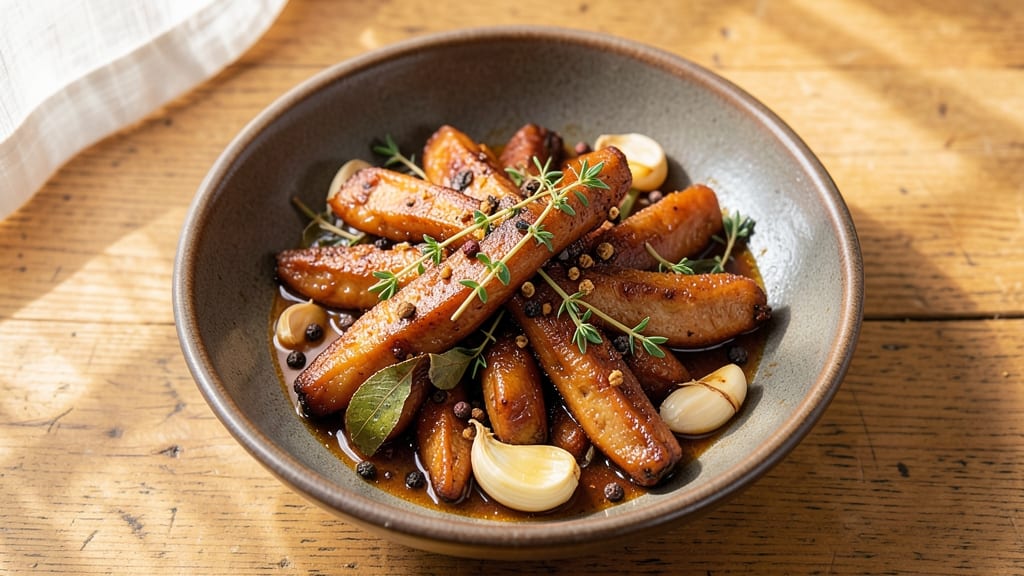
Transforming chicken tongue into a crispy, melt-in-your-mouth delicacy requires patience and precision—a process I’ve perfected through years of testing traditional braising techniques and modern frying methods.
The key lies in slow-cooking the tough connective tissue until it dissolves into velvety richness, then achieving that coveted crispy exterior through careful frying or baking. This dish delivers restaurant-quality results at home, with a texture that’s both satisfying and unexpected.
The recipe begins with a flavorful marinade of garlic, vinegar, and aromatic spices, which tenderizes the meat while infusing it with depth. After slow-cooking for hours, the tongue becomes so tender it practically falls apart, creating a luxurious base for bold sauces or crispy pan-frying.
The transformation from chewy to crispy edges is where the magic happens—requiring just the right temperature and timing to seal in moisture while building that addictive crunch.
What you’ll end up with is a dish that’s equal parts indulgent and impressive: a crispy exterior that shatters with each bite, giving way to tender, buttery meat inside.
The sauce—whether a tangy vinegar reduction or a rich mushroom gravy—elevates every forkful, making this a showstopper for special occasions or weeknight dinners when you want to cook like a pro. Serve with roasted potatoes or a fresh salad to balance the richness.
This method works for both traditional braised preparations and quicker pan-fried variations, giving you flexibility depending on your schedule. The slow-cooked approach ensures maximum tenderness, while the crispy finish adds a modern twist that keeps the dish exciting.
Once you try it, you’ll never buy pre-cooked chicken tongue again—homemade is simply superior.
Ingredients for chicken tongue
Pantry staples meet specialty proteins for a dish that's equal parts indulgent and impressive.
| Ingredient | Amount | Notes |
|---|---|---|
| Chicken Tongues 🐔 | 2 lb | Fresh, trimmed of excess fat |
| Garlic Cloves 🧄 | 6 cloves | Peeled, smashed for marinade |
| White Wine Vinegar 🍷 | ½ cup | High-quality, dry variety |
| Bay Leaves 🌿 | 2 whole | Fresh preferred, dried works |
| Black Peppercorns 🌶️ | 1 tbsp | Crushed, not ground |
| Allspice Berries 🌶️ | 1 tsp | Crushed lightly for depth |
| Carrots 🥕 | 4 medium | Whole, scrubbed clean |
| Yellow Onion 🧅 | 1 whole | Quartered, skin on |
| Celery Stalks 🥬 | 4 whole | Cut into 2-inch pieces |
| Chicken Stock 🍲 | 4 cups | Homemade preferred, low-sodium |
| Olive Oil 🫒 | ¼ cup | Extra-virgin for frying |
| Salt 🧂 | 2 tsp | Diamond Crystal kosher |
| Fresh Thyme 🌿 | ¼ cup | Leaves only, chopped |
| Flour 🌾 | ½ cup | All-purpose, for dredging |
| Panko Breadcrumbs 🍞 | ½ cup | For crispy coating |
Chicken tongues are the star here, and freshness is key. Look for them at Whole Foods or specialty butchers—they should be pale pink, not gray or slimy. Trim off any excess fat before cooking. I always buy mine from local farms when possible, as they tend to have better marbling. The marinade ingredients are all about building layers of flavor—garlic and vinegar tenderize while the spices add warmth. Don't skip the allspice; it's what gives this dish its signature depth (trust me on this).
No white wine vinegar? Apple cider vinegar works in a pinch, though it'll have a slightly sweeter profile. Fresh thyme is ideal, but dried at half the amount gets you close. Running low on panko? Regular breadcrumbs toasted in the oven work just fine. The carrots, onion, and celery form the aromatic base—don't peel the onion or carrots if you can help it, as the skins add color and texture. For the stock, homemade is best, but quality low-sodium store-bought will do in a bind. The key is balancing acidity and richness, so taste as you go.
This dish rewards patience—slow cooking is non-negotiable. The tongues keep beautifully in the fridge for 3-4 days once cooked, though they're best enjoyed fresh. For crispy edges, reheat gently in the oven with a splash of broth. Portion the breadcrumbs in advance so you're not scrambling during frying. The marinade makes 2 batches, so double it if you're feeding a crowd. Leftovers? Freeze for up to 3 months—just thaw slowly in the fridge before reheating.
Why You'll Love This Recipe
- I’ll be real: chicken tongues are cheaper than chicken breasts, and this recipe stretches them far. A single package feeds four, leaves seconds, and costs half what a takeout order would. Plus, the prep is so quick you’ll wonder why you haven’t made it before.
- Fewer Ingredients, Bigger Impact: Honestly, I’m always impressed by how much flavor you get from just five things—no fancy pantry staples. The vinegar cuts through the richness of the chicken tongues while the garlic and peppercorns add layers of warmth without overpowering. It’s the kind of dish where you realize you’ve been overcomplicating meals.
- Silky Yet Bold: That crispy skin gives way to a tender, almost buttery interior—trust me, it’s the kind of texture you’ll want to linger over. The bay leaves and vinegar marriage gives it a depth that’s surprising for something so simple, like a hidden gem in your weeknight rotation.
- Leftovers That Don’t Suck: Between us, most leftovers end up sad. Not these. The tongues hold up beautifully when reheated, and the vinegar keeps them from drying out. I’ve had them cold in salads, warmed in sandwiches, or even chopped into pasta the next day—no one ever complains.
Step-by-step instructions for slow-cooked chicken tongues
Here's how to transform tough chicken tongues into melt-in-your-mouth delicacies with irresistibly crispy edges.
Prepare the Marinade and Tenderize the Tongues
In a large bowl, combine the 0.5 cup white wine vinegar, 6 cloves garlic cloves (smashed), 2 whole bay leaves, 1 tbsp black peppercorns (crushed), 1 tsp allspice berries (lightly crushed), 0.25 cup fresh thyme, and 2 tsp salt. Whisk until fully integrated—this aromatic blend will infuse the tongues with deep, complex flavors while breaking down their tough fibers.
Place the 2 lb chicken tongues in a separate large bowl. Pour the marinade over them, ensuring each tongue is thoroughly coated. Cover and refrigerate for at least 12 hours, preferably overnight. This extended marinating time is critical—it transforms the texture from chewy to silky while developing intense flavor. I've found that longer marinating yields better results, so don't rush this step.
After marinating, remove the tongues and pat them dry with paper towels. This drying step is essential for achieving that perfect crispy exterior later. The tongues should feel tacky but not wet when you touch them—this indicates they're ready for the next stage.
Build the Flavorful Base and Slow Cook
In a large Dutch oven, heat the 0.25 cup olive oil over medium heat. Add the 1 whole yellow onion (quartered with skin on), 4 medium carrots (whole and scrubbed), and 4 whole celery stalks (cut into 2-inch pieces). Sauté for 8-10 minutes until the vegetables begin to soften and the onion becomes translucent.
Add the marinated tongues to the pot, nestling them among the vegetables. Pour in the 4 cups chicken stock and bring to a gentle simmer. Here's the key: cover the pot and maintain a low, steady simmer—not a rolling boil. This slow cooking method prevents the tongues from becoming tough while allowing the collagen to break down and create a rich, gelatinous sauce.
Simmer for 3 hours, partially covered, until the tongues are fork-tender. You'll know they're ready when they pull apart easily with gentle pressure. The sauce should have thickened noticeably, coating the tongues in a glossy, flavorful reduction. If the liquid reduces too quickly, add a splash of water to maintain the moisture balance.
Create the Crispy Coating and Finish
Preheat your oven to 425°F. While the oven heats, prepare the coating station: in a shallow dish, combine the 0.5 cup flour and 0.5 cup panko breadcrumbs. This combination creates a double-layered crust that ensures maximum crispiness.
Remove the cooked tongues from the braising liquid and let them cool slightly on a wire rack. Working with one at a time, dredge each tongue in the flour mixture first, shaking off any excess. Then roll it in the panko breadcrumbs, pressing gently to adhere. Place the coated tongues on a parchment-lined baking sheet.
Bake for 15-20 minutes, flipping halfway through, until the coating turns a deep golden brown and is crisp to the touch. This is where the magic happens—the panko transforms from bland breadcrumbs to a shatteringly crisp shell that contrasts beautifully with the tender interior. The tongues should reach an internal temperature of 160°F when done.
Serve with Confidence
Transfer the crispy-coated tongues to a serving platter and let them rest for 5 minutes. This brief rest allows the coating to set properly and prevents it from becoming soggy when sliced. Serve immediately while the edges are still crisp—chicken tongues are best enjoyed right out of the oven.
The finished dish should present with beautifully caramelized edges that shatter when you bite into them, revealing the tender, flavorful meat beneath. The sauce from the Dutch oven can be strained and reduced slightly if desired, then drizzled over the top for an elegant presentation. Serve with crusty bread to soak up every last bit of that rich, aromatic sauce.
Pro Tips For Making Chicken Tongue
- SCORE THE SURFACE: Chicken tongues have a thick, fibrous skin—use a sharp knife to make shallow slashes (about ¼-inch deep) before cooking. This lets the garlic and vinegar penetrate deeper instead of just steeping on the outside. (I used to skip this and wondered why my tongues tasted bland.)
- SOAK THEM FIRST: Toss raw chicken tongues in cold water for 30 minutes before cooking to remove any blood or gamey residue. Rinse thoroughly afterward—this step cuts the metallic aftertaste that ruins an otherwise rich dish. (Yes, even if you’re impatient like me.)
- LOW AND SLOW: Simmer these on low heat for at least 1.5 hours, or until fork-tender. High heat turns them rubbery, and rushing it means tough, chewy results. Cover the pot halfway through to trap steam—your future self will thank you.
- CRUSH THE PEPPERCORNS: Skip the whole peppercorns—they’ll just sit there looking pretty. Lightly crush them in a mortar or with a rolling pin so their flavor infuses the vinegar and garlic. (My grandmother swore by this, and she was right: the dish tastes deeper.)
Creative variations of these flavors
Global Fusion Twist
Transform this classic recipe into a Korean-inspired dish by adding 1 tbsp gochujang and 1 tbsp soy sauce to the marinade. After slow-cooking, pan-fry the tongues in a mix of 0.25 cup sesame oil and 2 tbsp honey until caramelized.
Garnish with sliced green onions and sesame seeds for a sweet-spicy kick. 🌶️
Italian-Inspired Version
For an Italian touch, swap the marinade for a blend of 0.5 cup dry white wine, 2 tbsp tomato paste, 1 tsp dried oregano, and 1 tsp fennel seeds.
After slow-cooking, coat the tongues in a mix of 0.5 cup flour and 0.5 cup grated Parmesan, then pan-fry in 0.25 cup olive oil until golden. Serve with a side of lemon wedges and a sprinkle of fresh parsley. 🍷
Spicy Cajun Style
Infuse the marinade with 1 tbsp Cajun seasoning and 1 tsp smoked paprika for a bold Southern flavor. After slow-cooking, coat the tongues in a mix of 0.5 cup cornmeal and 0.5 cup crushed Ritz crackers for extra crunch.
Pan-fry in 0.25 cup vegetable oil until crispy, then drizzle with a hot honey glaze made from 2 tbsp honey and 1 tsp cayenne pepper. 🔥
Asian-Inspired Glazed
After slow-cooking, brush the tongues with a glaze made from 3 tbsp hoisin sauce, 2 tbsp rice vinegar, and 1 tbsp grated ginger. Broil for 3-5 minutes until the glaze caramelizes into a glossy finish.
Garnish with sliced scallions and crushed peanuts for texture. This version pairs perfectly with steamed jasmine rice. ✨
Smoky BBQ Crunch
Marinate the tongues in a blend of 0.5 cup apple cider vinegar, 2 tbsp brown sugar, 1 tbsp smoked salt, and 1 tsp chipotle powder. After slow-cooking, coat in a mix of 0.5 cup crushed potato chips and 0.5 cup crushed pretzels for a salty crunch.
Pan-fry until golden and serve with a side of BBQ sauce for dipping. 🍖
Vegetarian Adaptation
For a plant-based alternative, use 2 large portobello mushrooms or 2 cups king oyster mushrooms instead of chicken tongues. Marinate and slow-cook them in the same way, then coat with the panko mixture and pan-fry until crispy.
This version works surprisingly well and satisfies the same craving for a rich, umami-packed dish. 🌱
Nutrition facts
Frequently asked questions
Why do chicken tongues need such a long marinating time?
The extended 12-hour marinade is essential because chicken tongues contain dense connective tissue that requires time to break down. The acidity from vinegar and crushed spices works together to tenderize the meat, transforming it from chewy to silky. Skipping this step results in a tough texture even after slow cooking. Think of it like a flavor and texture reset—this process is what makes the final dish so luxurious.
Can I substitute chicken tongues with other offal cuts?
While chicken tongues are ideal, you can experiment with other offal like chicken livers or chicken hearts in a pinch. For best results, use cuts with similar collagen content—like beef tongue or pork tongue—but adjust cooking times accordingly. Offal requires patience, so never rush the slow-cooking process. The marinade formula works universally for tenderizing tough proteins.
What's the best way to reheat leftover crispy chicken tongues?
Reheat in a 350°F oven for 10-12 minutes with a splash of broth to maintain moisture and crispiness. For a quick fix, pan-fry in 0.25 cup oil until golden again—this restores the crispy exterior. Microwaving is not recommended as it makes the coating soggy. Always reheat gently to preserve that satisfying contrast of textures.
How do I know when the chicken tongues are fully cooked?
They're done when they're fork-tender and pull apart easily with gentle pressure—this typically takes 3 hours of slow cooking. The internal temperature should reach 160°F in the thickest part. If you're unsure, cut into one: the meat should be opaque with no pink remaining. Overcooking won't ruin them, but proper doneness ensures that perfect melt-in-your-mouth texture.
What are the best side dishes to serve with crispy chicken tongues?
Pair with crusty bread to soak up the rich sauce, or try roasted potatoes and sautéed greens for balance. For a complete meal, add a light salad with tangy vinaigrette to cut through the richness. The crispy texture works especially well with creamy mashed potatoes or buttery polenta. Think contrast—crunchy, creamy, and fresh elements all complement the dish beautifully.