
Main Courses
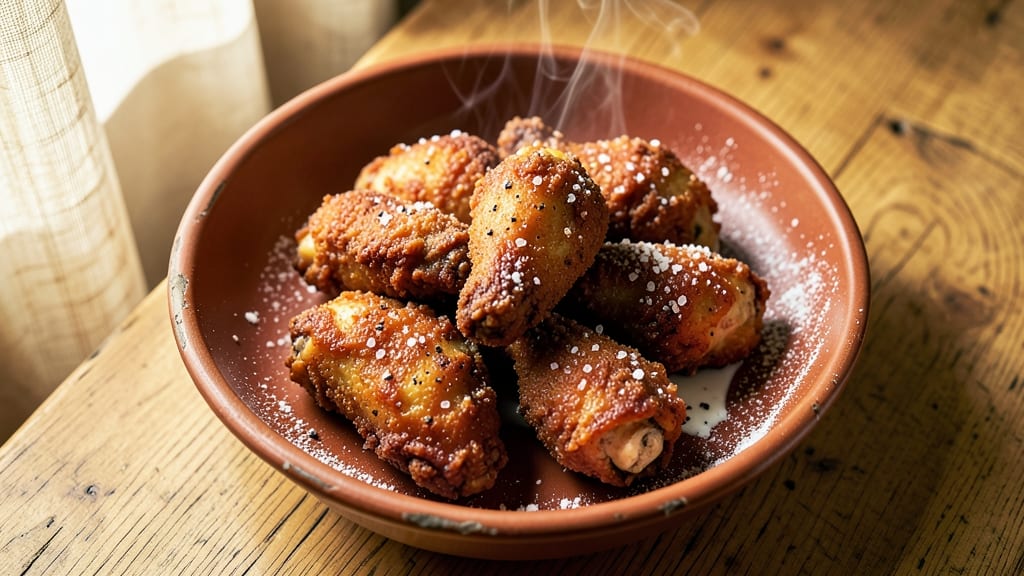
This copycat Church's fried chicken recipe delivers the same legendary buttermilk-marinated crunch that made the original famous—restaurant-quality results you can make at home.
The secret lies in a precise balance of buttermilk marinade, double-dredging technique, and high-heat frying that creates that signature crispy exterior while keeping the meat juicy inside. I've perfected this method through countless batches, ensuring every bite delivers the same satisfying crunch and savory flavor.
The process begins with a 24-hour buttermilk marinade that tenderizes the chicken while infusing it with that signature tangy flavor. After double-dredging in a seasoned flour blend, the chicken fries to a golden, shatteringly crisp finish that stays crunchy even after resting.
This isn't just another fried chicken recipe—it's a foolproof method that replicates the original's texture and taste profile without requiring special equipment.
What makes this recipe stand out is the attention to detail that transforms ordinary chicken into something extraordinary. The buttermilk marinade works its magic overnight, while the double-dredging creates layers of flavor and texture that no single coating could achieve.
By the time the chicken emerges from the fryer, you'll have pieces that are crispy on the outside, juicy on the inside, and packed with the same bold, savory goodness that made Church's famous.
Serve with classic sides like mashed potatoes, coleslaw, or biscuits for the full experience. This recipe is designed to impress, whether you're feeding a crowd or treating yourself to a taste of nostalgia. Let's get started on creating fried chicken that rivals the original—batch after perfect batch.
Ingredients for copycat church's fried chicken
Restaurant-quality crunch starts with these 13 essential ingredients—each playing a precise role in replicating Church's signature texture.
| Ingredient | Amount | Notes |
|---|---|---|
| Buttermilk 🥛 | 2 cups | Full-fat for optimal tenderness |
| Large Chicken Thighs 🍗 | 3 lb | Bone-in, skin-on, cutlets preferred |
| All-Purpose Flour 🌾 | 3 cups | White, bleached for light coating |
| Cornstarch 🌾 | ½ cup | For extra crispiness |
| Diamond Crystal Kosher Salt 🧂 | 2 tbsp | Fine grain recommended |
| Ground Black Pepper 🌶️ | 1 tbsp | Freshly ground for best flavor |
| Garlic Powder 🧄 | 1 tbsp | Non-iodized preferred |
| Onion Powder 🧅 | 1 tbsp | Finely ground |
| Paprika 🌶️ | 1 tbsp | Smoked variety for depth |
| Cayenne Pepper 🔥 | ½ tsp | Adjust for heat preference |
| Vegetable Oil 🫒 | 4 cups | High smoke point, peanut oil ideal |
| Lemon Juice 🍋 | 1 tbsp | Freshly squeezed for brightness |
| Unsalted Butter 🧈 | ½ cup | Cold, cubed for marinade |
The chicken selection is critical. Bone-in, skin-on thighs deliver that signature juiciness while the skin crisps perfectly. Most butchers will cut these into cutlets for you—ask for uniform 1/2-inch thickness. For the buttermilk, Land O'Lakes or Horizon full-fat work best; the fat content is non-negotiable here. The 24-hour marinade transforms tough chicken into tender, flavor-infused pieces. Pro tip: Use a glass jar with lid for marinating to prevent odors and keep the buttermilk fresh. The butter cubes should melt completely into the marinade, creating an ultra-rich coating.
No buttermilk? Substitute 2 cups whole milk + 2 tbsp lemon juice or vinegar, but let it sit for 10 minutes to curdle properly. For the flour blend, Bob's Red Mill all-purpose works perfectly, but any bleached white flour will do. The cornstarch is what creates that signature shatteringly crisp texture—don't skip it. If you're avoiding cayenne, reduce the smoked paprika by 1/2 tbsp for similar depth without heat. The vegetable oil must have a high smoke point; Crisco or peanut oil are ideal for frying at 350°F without burning. For the lemon juice, ReaLemon or fresh-squeezed provides the bright acidity that cuts through the richness.
Marinated chicken keeps 2 days in the fridge before frying, but the flavor deepens with longer marinating. The dry seasoning blend stays potent for 3 months in an airtight container—double the recipe and store it in your pantry for future batches. After frying, maintain crispiness by keeping pieces separated on a wire rack rather than piling them. The fried chicken reheats best at 350°F for 10-12 minutes—just until warmed through—to prevent sogginess. Portion into parchment-lined containers with a paper towel on top to absorb excess grease.
Why You'll Love This Recipe
- I swear by this method: just marinate the thighs in buttermilk overnight (or even 4 hours if you’re in a rush), then dredge in the flour-cornstarch mix—no fancy techniques, no stress. The kosher salt in the batter? It’s the secret to that perfect balance of crisp and tang.
- No-Fuss Prep: I swear by this method: just marinate the thighs in buttermilk overnight (or even 4 hours if you’re in a rush), then dredge in the flour-cornstarch mix—no fancy techniques, no stress. The kosher salt in the batter? It’s the secret to that perfect balance of crisp and tang.
- Crispy-Creamy Magic: That buttermilk soak turns the meat impossibly tender, while the flour-cornstarch combo gives you a crust so crisp it shatters like glass—yet stays juicy inside. Honestly, it’s the kind of fried chicken that makes you pause mid-bite.
- Weeknight Hero: Between us, this is my go-to for game days, lazy Sundays, or when I’m too tired to plan. Double the batch, freeze half, and boom—you’ve got a backup meal for when life gets messy. (Yes, even on a Tuesday night.)
Step-by-step instructions for Church's fried chicken
Here's the precise method to replicate that iconic buttermilk-marinated crunch at home.
Prepare the Buttermilk Marinade
In a large bowl, combine the 2 cups of buttermilk with the 1 tablespoon of lemon juice and the 0.5 cup of cold, cubed unsalted butter. Whisk until the butter melts completely and the mixture is smooth. This acidified buttermilk creates the signature tenderizing effect while the butter adds richness that carries through the coating.
Place the 3 lb of large chicken thighs in a resealable plastic bag and pour the buttermilk marinade over them. Seal the bag and refrigerate for at least 4 hours or up to 24 hours for maximum tenderness. The longer it marinates, the more the acid breaks down proteins and the more flavor penetrates the meat. Turn the bag occasionally to ensure even coating.
Create the Dry Coating
In a separate large bowl, whisk together the 3 cups of all-purpose flour, 0.5 cup of cornstarch, 2 tablespoons of Diamond Crystal kosher salt, 1 tablespoon each of garlic powder, onion powder, and paprika, 1 tablespoon of ground black pepper, and 0.5 teaspoon of cayenne pepper. The cornstarch creates that signature crispy texture while the spices build the complex flavor profile.
Remove the chicken from the marinade (reserve the marinade for another use) and let it drain briefly. Working in batches, shake off any excess marinade and immediately dredge each piece thoroughly in the flour mixture, pressing gently to adhere. The coating should be even and about ¼-inch thick. Let the coated chicken rest for 15 minutes at room temperature before frying—this helps the coating adhere better and prevents it from falling off during frying.
Fry to Golden Perfection
Pour the 4 cups of vegetable oil into a deep fryer or heavy pot and heat to 350°F. Use a thermometer to monitor the temperature—it's crucial to maintain this precise heat for even cooking. The oil should be hot enough to sizzle when you add a small piece of chicken, but not smoking.
Fry the chicken in batches (don't overcrowd the pot) for 12-15 minutes, turning occasionally, until the internal temperature reaches 165°F and the coating is a deep, golden brown. The coating should be crispy enough to hold its shape when lifted with tongs. If the oil temperature drops below 325°F, the coating will absorb oil and become greasy rather than crispy. Use a slotted spoon to transfer fried chicken to a wire rack set over a paper towel-lined plate to drain excess oil.
Maintain Internal Temperature
While the chicken fries, preheat your oven to 200°F. This low temperature keeps the fried chicken warm and crispy while you finish frying all the pieces. As each batch comes out of the oil, transfer it immediately to the preheated oven. The residual heat will maintain the internal temperature while preventing the coating from becoming soggy.
Keep the fried chicken in the oven until all pieces are done, then serve immediately. The coating should remain crispy and the meat juicy with a perfect balance of tenderness and crunch. For best results, serve with the original Church's sauce or a simple honey mustard dip to complement the complex seasoning.
Pro Tips For Making Copycat Church'S Fried Chicken
- Double-Dip the Flour: I learned this the hard way—skipping the second dip means your crust stays lumpy and uneven. After coating the thighs in the flour-cornstarch mix (use about 1 cup flour + 2 tbsp cornstarch per batch), shake off excess, dip back in buttermilk, then coat again. The second flour layer seals the deal for that crispy, lacy texture.
- Salt the Buttermilk: Don’t just grab plain buttermilk—add 1 tsp Diamond Crystal kosher salt per cup. This isn’t just flavor; it’s what makes the chicken tenderize faster and the crust cling better. I used to skip it, and the buttermilk always tasted flat.
- Fry in Batches: Crowding the oil lowers the temperature, and soggy crusts are the result. Use a 3-inch deep pot and fry no more than 4 thighs at a time. Keep the oil at 350°F—if it drops below 325°F, your chicken will absorb grease instead of crisping.
- Rest Before Frying: Let the buttermilk-marinated thighs sit uncovered in the fridge for at least 4 hours—or overnight if you can. This ensures even tenderization and a crust that sticks like glue. I was skeptical until I tried it, and now I never skip it.
Wine and beer pairings for this copycat church's fried chicken
Southern Comfort Classics
Start with a crisp, dry white Zinfandel like Bogle Vineyards or Apothic—the light acidity and subtle fruit notes mirror the buttermilk's tang while cutting through the fried richness. This wine highlights the chicken's crispy exterior without competing with its savory depth. 🍷
Malty Beer Pairings
A Southern-style amber ale like Leinenkugel's Summer Shandy or Blue Moon Belgian White complements the fried chicken beautifully. The caramel maltiness balances the cayenne's heat while the citrusy coriander in Belgian whites echoes the lemon in the marinade. Serve slightly chilled for contrast. 🍺
Bold Bourbon Cocktails
For a Kentucky-inspired twist, mix 2 oz bourbon (like Maker's Mark), 1 oz honey syrup, and ½ oz lemon juice with ice. Strain into a rocks glass over a large cube and garnish with a lemon twist.
The sweetness and smokiness of bourbon elevate the fried chicken's complexity. 🥃
Sweet Tea Refreshers
No alcohol? A classic Southern sweet tea with 2 tbsp honey per cup and a splash of peach nectar cleanses the palate between bites. The natural sweetness balances the fried chicken's saltiness while the tea's acidity refreshes. Serve over ice with a lemon wedge. 🍹
Spicy Margarita Twist
For heat lovers, blend 2 oz reposado tequila, 1 oz lime juice, ½ oz agave, and a pinch of Tajín into a margarita. The lime brightens the buttermilk flavors while the Tajín adds a smoky, spicy kick that mirrors the cayenne in the coating.
Rim the glass with Tajín for extra drama. 🌶️
Nutrition facts
Frequently asked questions
Why does the buttermilk marinade need to be 24 hours?
The 24-hour marinade is key for two reasons: it tenderizes the chicken by breaking down tough proteins, and it infuses maximum flavor. The acidity in buttermilk works slowly to transform the texture, while the fat content creates a rich base that carries the seasoning. Skipping this step results in tougher meat and less flavorful coating.
Can I use chicken breasts instead of thighs?
While possible, thighs are ideal because their higher fat content stays juicier during frying. Chicken breasts will dry out faster and won't have the same rich mouthfeel. If you must use breasts, marinate them only 12-16 hours and fry for 8-10 minutes at 325°F to prevent overcooking. The skin is also crucial for crispiness—use skinless breasts only as a last resort.
How do I keep the coating from falling off?
Three things prevent coating failure:
- Rest the coated chicken 15 minutes before frying (lets coating adhere),
- Don't overcrowd the fryer (keep oil at 350°F), and
- Use cornstarch (it creates a stronger bond than flour alone). If pieces still fall apart, your oil may be too cool—wait until it sizzles vigorously when testing with a bread cube.
What's the best way to reheat leftovers?
Reheat in a 350°F oven for 10-12 minutes on a wire rack (not stacked) to maintain crispiness. Microwaving destroys the crunch. For extra crunch, broil for 2-3 minutes at the end. Store in parchment-lined containers with a paper towel on top to absorb moisture. Leftovers stay crispy for 2 days if handled properly.
Can I make this gluten-free?
Yes, but with adjustments: replace the flour with a 1:1 gluten-free blend (like Bob's Red Mill) and add 1 extra tbsp cornstarch per cup to compensate for lower binding properties. The coating won't be quite as crispy, but still delicious. For extra adhesion, use egg wash (1 egg beaten with 2 tbsp water) between coatings.