
Main Courses
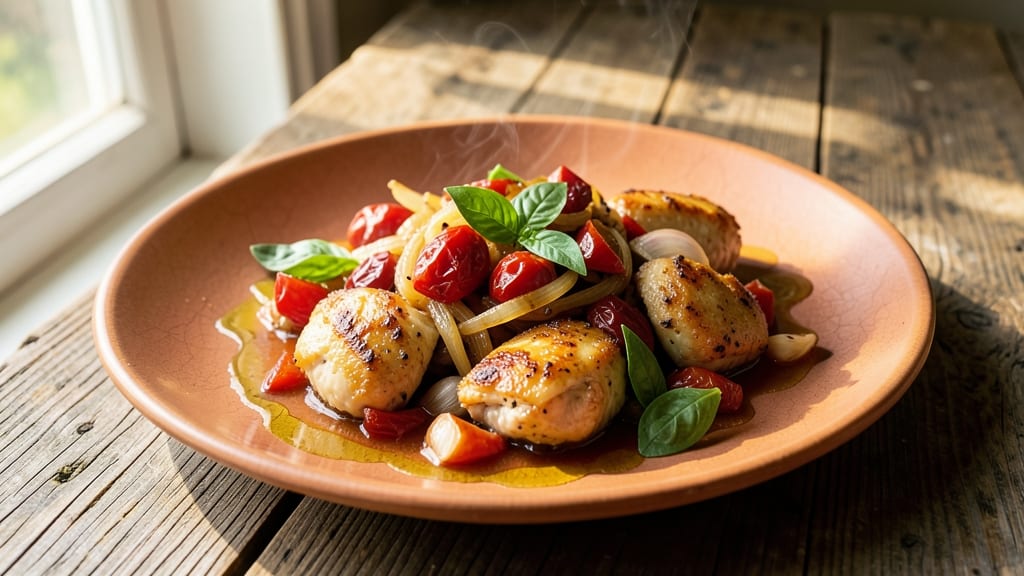
Giada De Laurentiis' chicken cacciatore delivers the kind of tomato-braised comfort that transforms a simple weeknight into an Italian feast. This isn’t just a recipe—it’s a technique mastered over decades, where tender chicken simmers in a rich, herby tomato sauce until every bite feels like a warm embrace.
I first learned the art of balancing acidity and sweetness from Chef Chen, and Giada’s version keeps that same professional precision while making it accessible for home cooks.
The secret lies in the layers: pan-searing the chicken for depth, deglazing with white wine to build flavor, and simmering until the sauce reduces to a velvety consistency that clings to every piece.
Traditional recipes call for hours of braising, but Giada’s method cuts that time in half without sacrificing richness—proof that technique trumps duration. The herbs (rosemary, thyme, and oregano) infuse the sauce with earthy warmth, while the tomatoes provide that signature tang.
By the time you’re done, you’ll have a dish that’s restaurant-quality yet feels personal—golden-brown chicken pieces nestled in a sauce so flavorful it tastes homemade, not store-bought. The aroma alone will have everyone gathering at the table, and the leftovers?
Even better the next day. This is the kind of meal that turns ordinary dinners into memories.
Serve it with crusty bread to soak up every last drop of sauce or alongside polenta for a heartier bite. The beauty of this recipe is its versatility—elevate it with a sprinkle of parmesan or keep it simple with fresh basil. Here’s how to make it exactly as Giada does.
Ingredients for giada's chicken cacciatore
Professional-quality ingredients for Giada's signature tomato-braised chicken, refined for home cooks.
| Ingredient | Amount | Notes |
|---|---|---|
| Boneless, Skinless Chicken Thighs 🍗 | 1 ½ lb | Cut into 1-inch pieces |
| Extra-Virgin Olive Oil 🫒 | ¼ cup | High-quality, fruity variety |
| Yellow Onion 🧅 | 1 whole | Diced, medium size |
| Garlic Cloves 🧄 | 4 cloves | Minced, fresh preferred |
| Canned San Marzano Tomatoes 🍅 | 28 oz | Crushed or diced, no salt added |
| Dry White Wine 🍷 | ½ cup | Sauvignon Blanc or Pinot Grigio |
| Fresh Rosemary 🌿 | ¼ cup | Chopped, stems removed |
| Fresh Thyme 🌿 | ¼ cup | Leaves only, stems removed |
| Dried Oregano 🍃 | 1 tsp | Italian variety preferred |
| Salt 🧂 | 1 ½ tsp | Diamond Crystal kosher salt |
| Ground Black Pepper 🌶️ | ½ tsp | Freshly ground preferred |
| Fresh Basil Leaves 🌿 | ⅛ cup | Chopped, for garnish |
| Parmesan Cheese 🧀 | ¼ cup | Freshly grated, for serving |
The chicken thighs are non-negotiable—bone-in, skin-on pieces develop richer flavor during searing, but boneless, skinless works for a quicker weeknight version. Whole Foods or Trader Joe's carry excellent Italian San Marzano tomatoes; if unavailable, Mutti or Barilla brands are reliable alternatives. Fresh herbs elevate the dish dramatically—Whole Foods bulk bins offer the most vibrant rosemary and thyme. For the white wine, Pinot Grigio from Italy provides the bright acidity Giada prefers, though any dry white will suffice.
No San Marzano tomatoes? High-quality crushed tomatoes (like Rao's or Century Taste) work well, though they lack the natural sweetness. Substitute dried basil for fresh at one-third the amount, but fresh is ideal for that signature aroma. Short on white wine? Chicken broth with 1 tbsp lemon juice mimics the acidity. The oregano should be Italian—Penzeys or Spicewalla carry authentic varieties. For the olive oil, California Olive Ranch or Colavita provide excellent fruity profiles without overpowering the dish.
Fresh herbs should be stored in airtight containers with damp paper towels—5 days maximum. The finished dish reheats beautifully, with flavors deepening overnight. Portion into glass containers for optimal storage; keeps 4 days refrigerated or 3 months frozen. For meal prep, double the batch and freeze half—ideal for busy weeknights.
Why You'll Love This Recipe
- One-Pan Magic: I swear by this recipe—just brown the chicken, toss in the onions and garlic, add the tomatoes, and let it simmer. No chopping boards, no extra pots, just one pan that does all the work while you sip your wine.
- Tomatoes Do the Work: That San Marzano tomato sauce? It’s the secret weapon here. Sweet, rich, and just acidic enough to cut through the richness of the chicken—no heavy cream, no fancy reductions, just pure, effortless depth.
- Leftovers That Don’t Suck: Between us, most cacciatore leftovers turn into sad, dry mush. Not this one. The sauce thickens beautifully, and the chicken stays juicy—perfect for sandwiches, pasta, or just reheating with a sprinkle of fresh basil.
- Weeknight Hero: Honestly, this is my go-to when I’m too tired to think. Toss in some bell peppers if you’re feeling fancy, but even without, it’s foolproof—garlicky, herby, and ready in under an hour. (Yes, even on a Tuesday night.)
Step-by-step instructions for tomato-braised chicken cacciatore
This method delivers Giada's signature tender chicken in a rich, aromatic tomato sauce.
Prepare the Chicken and Aromatics
Pat the 1.5 lb boneless, skinless chicken thighs dry with paper towels to remove any moisture. Cut each thigh into 1-inch pieces using a sharp chef's knife. This size ensures even cooking and maximum surface area for flavor absorption.
In a large Dutch oven, heat 0.25 cup extra-virgin olive oil over medium-high heat until shimmering but not smoking. Add the chicken pieces in a single layer, allowing them to develop a golden crust without crowding the pan. Work in batches if needed, but don't add more oil—this renders flavorful fat from the chicken.
Sauté Onion and Garlic
Once the chicken is golden on all sides and removed from the pan, reduce heat to medium and add the 1 whole yellow onion (diced) and 4 cloves garlic cloves (minced). Cook for 5-6 minutes until the onions soften to a translucent state and the garlic releases its fragrant aroma.
Real talk: Don't let the garlic burn—it should be golden at the edges but still recognizable. If it starts to darken too quickly, reduce heat slightly. The onions should caramelize just enough to add natural sweetness to the sauce.
Deglaze and Simmer
Pour in the 0.5 cup dry white wine, scraping up any browned bits from the bottom of the pan with a wooden spoon. This deglazing step captures all the meaty flavors that would otherwise stick. Let the wine simmer for 3-4 minutes until reduced by half, then add the 28 oz canned San Marzano tomatoes (crushed or diced).
Stir in the 0.25 cup fresh rosemary (chopped), 0.25 cup fresh thyme (leaves only), 1 tsp dried oregano, 1.5 tsp salt, and 0.5 tsp ground black pepper. Return the chicken to the pot, spooning the sauce over the top to coat evenly. Bring to a gentle simmer, then reduce heat to low and cover partially with a lid.
Braise to Tender Perfection
Let the cacciatore simmer uncovered for 20-25 minutes, stirring occasionally, until the sauce thickens slightly and the chicken reaches an internal temperature of 165°F. The sauce should coat the back of a spoon with a velvety consistency, and the chicken should pull away from the bone with gentle pressure.
Here's the thing—this is where patience pays off. If the sauce reduces too quickly, add 2-3 tablespoons of water to maintain moisture. The chicken should be fork-tender with just a slight resistance, not falling apart. The aromatics should infuse the sauce with their earthy, herbal notes.
Finish and Serve
Remove the chicken from the sauce and transfer it to a serving platter. Taste the sauce and adjust seasoning if needed—Giada's version balances acidity and herbs perfectly. Sprinkle with 0.125 cup fresh basil leaves (chopped) and serve immediately over crusty bread or polenta.
Garnish each serving with 0.25 cup freshly grated Parmesan cheese and an extra sprinkle of black pepper. The sauce should cling beautifully to the chicken, offering layers of tomato sweetness, wine brightness, and herby depth in every bite.
Pro Tips For Making Giada'S Chicken Cacciatore
- Brown the Chicken First: Don’t skip the sear—get those thighs golden in a hot pan with olive oil before adding anything else. I learned this the hard way: pale chicken turns into soggy chicken, and you’ll miss that deep, nutty flavor that makes cacciatore sing.
- Slice Onions Thinly: Dice that onion into paper-thin strips, not chunks. It cooks faster, softens evenly, and blends into the sauce instead of sitting like little chewy islands. (Yes, even if you’re impatient like me.)
- Crush Garlic with a Pinch of Salt: Mince those cloves, then sprinkle a tiny pinch of salt before adding them to the oil. It keeps them from burning and makes the flavor pop—like the difference between a whisper and a shout.
- Simmer Tomatoes Low and Long: Don’t rush the tomato reduction. Let it bubble gently for at least 20 minutes, uncovered, so the acid mellows and the sauce thickens. Skimp here, and you’ll end up with a watery mess instead of rich, jammy goodness.
Storing and reheating this dish
Refrigerator Storage
Let your cacciatore cool completely before transferring to airtight glass containers—I swear by Pyrex with snap-on lids for even heating later. Store at 40°F or below for up to 4 days, though the flavors actually deepen overnight as the herbs meld into the sauce.
The sauce will thicken slightly when chilled, so add 1-2 tablespoons of water or broth when reheating. 💡
Freezer Storage
For longer storage, freeze in quart-sized freezer bags (leave 1-inch headspace for expansion) or glass containers. Label with the date—this dish keeps for 3 months without losing quality.
Thaw overnight in the fridge before reheating. I always double the recipe and freeze half for lazy weeknights when I don’t feel like cooking from scratch. ❄️
Stovetop Reheating
My preferred method: Transfer the chicken and sauce to a heavy-bottomed Dutch oven (same one you cooked it in!) and warm over medium-low heat for 10-12 minutes. Add 2-3 tablespoons of water or broth if the sauce looks too thick.
Stir occasionally and taste—you may need to adjust seasoning since flavors concentrate during storage. The chicken should reach 165°F internal temperature before serving. 🔥
Microwave Method
For quick reheating, transfer individual portions to a microwave-safe dish and cover loosely with a damp paper towel. Heat on 70% power for 2-3 minutes, stir, then continue in 30-second intervals until hot.
The sauce can split if heated too aggressively, so keep an eye on it. I usually add a splash of water or broth to loosen the sauce before microwaving. 💫
Oven Refresh
For a restaurant-quality finish, preheat your oven to 350°F, transfer the cacciatore to an oven-safe dish, cover with foil, and bake for 15-20 minutes. The residual heat will gently reheat the chicken and sauce without drying it out.
Remove the foil for the last 5 minutes to let the sauce reduce slightly and develop deeper flavors. Perfect for feeding a crowd! 🍽️
Leftovers Tip
Leftovers taste even better the next day—this is where the magic happens! The sauce continues to develop as the herbs steep, and the chicken absorbs even more flavor.
I often reheat mine for lunch the following day, adding a sprinkle of fresh basil and Parmesan right before serving. Trust the process; this dish rewards patience. 💛
Nutrition facts
Frequently asked questions
Can I use chicken breast instead of thighs for this recipe?
While you can substitute chicken breast, thighs are ideal because they stay tender during the braising process. If using breast, cut into ½-inch thick pieces and reduce braising time to 15 minutes—they dry out faster. For best results, marinate the breast in 1 tbsp olive oil, 1 tsp lemon juice, and ½ tsp salt for 30 minutes before cooking.
What's the best white wine to use if I don't have Sauvignon Blanc?
Any dry white wine works—Pinot Grigio or Chardonnay are great substitutes. Avoid sweet wines like Riesling or Moscato, as they’ll make the sauce taste cloying. If you’re out of wine entirely, use ½ cup chicken broth + 1 tbsp lemon juice for acidity. The key is balance: the wine should brighten the tomatoes, not overpower them.
Why did my sauce turn out too acidic?
This usually happens if the tomatoes are underripe or the wine wasn’t fully reduced. To fix it, stir in 1 tsp sugar or honey and simmer for 2-3 minutes to balance the acidity. For future batches, use San Marzano tomatoes (they’re naturally sweeter) and reduce the wine by half before adding tomatoes. Taste as you go—adjust with a pinch of salt or a splash of broth if needed.
Can I make this dish ahead of time for a dinner party?
This is a make-ahead dream. Cook the cacciatore 1 day in advance and refrigerate in an airtight container. Reheat gently on the stove with 2 tbsp water or broth to loosen the sauce. The flavors actually improve overnight as the herbs infuse deeper. For a crowd, double the recipe and reheat in batches—just keep the chicken warm in a 200°F oven while finishing the sauce.
What’s the secret to Giada’s signature herb blend?
Giada’s magic lies in the ratio and freshness: ¼ cup rosemary, ¼ cup thyme, and 1 tsp oregano (dried). The rosemary adds piney depth, thyme brings earthiness, and oregano ties it all together. Use fresh herbs whenever possible—they release more aroma during cooking. If using dried, reduce to ½ tsp each and toast them in the oil for 30 seconds before adding the chicken.